
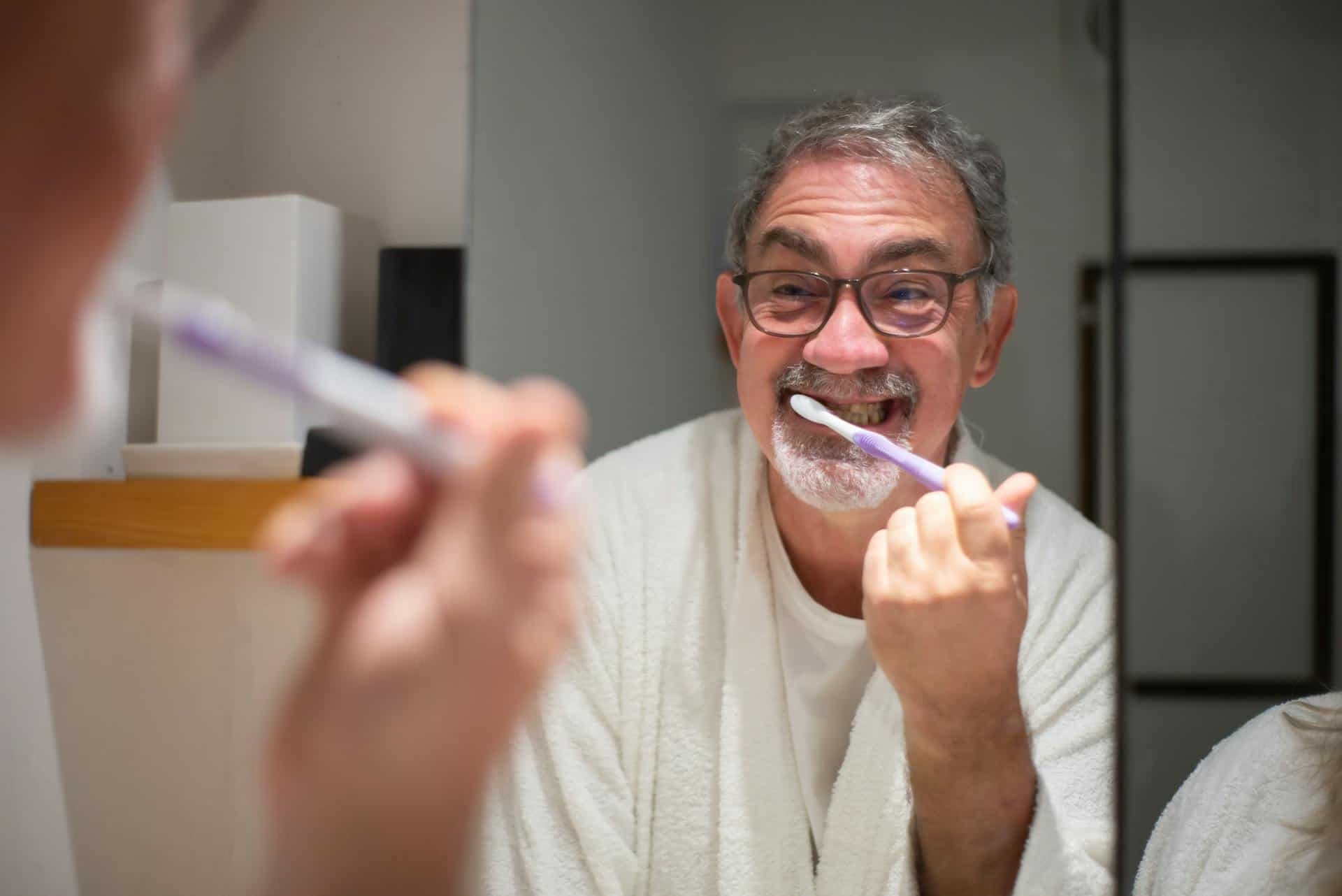
Let’s talk about something very simple but super important: personal hygiene.
Personal hygiene is the everyday practice of keeping your body clean and well-groomed to protect your health, prevent the spread of germs, and feel confident. It includes regular bathing or showering, handwashing, oral care, and grooming of hair, skin, nails, and teeth, which are all essential for individual well-being and public health.
In this guide, I’ll walk you through everything you need to know about hygiene. You’ll get:
- A short daily hygiene checklist
- Why personal hygiene matters
- Types of personal hygiene
- Daily personal hygiene routine
- Step-by-step routines for students, adults, and kids
- Tips to build good habits that last
- Simple fixes for common problems like body odor or acne
Let’s start with the short version first.
Quick Personal Hygiene Checklist
Here is a fast checklist to help you stay clean every day:
- Brush your teeth twice a day.
- Wash your hands often, especially before eating and after using the toilet.
- Wash your face in the morning and at night.
- Take a shower every day or at least clean key areas like your armpits and groin.
- Use deodorant or antiperspirant to stay fresh.
- Wear clean clothes, socks, and underwear.
- Trim and clean your nails every week.
- Remove makeup before bed.
- Drink water and get enough sleep.
These small steps can make a big difference in how you feel and how others see you.
Why Personal Hygiene Is Important for You
Good personal hygiene is more than looking neat. It helps you stay healthy, fresh, and confident. Poor hygiene can cause acne, body odor, infections, and even social problems.
When you keep clean, you:
- Feel better about yourself
- Prevent sickness and infections.
- Avoid body odor and skin problems.
- Feel confident around other people.
- Miss fewer school or work days
Why Hygiene Matters in Families
Families teach children how to stay clean. If a family does not have access to clean water or hygiene supplies, it can lead to sickness and poor health.
When families practice good hygiene together, they:
- Stay healthier
- Prevent the spread of disease
- Create a cleaner, happier home
Why Hygiene Is Important in Communities
Good hygiene helps protect everyone, not just one person. In schools, workplaces, and public places, simple habits like washing hands and cleaning surfaces stop the spread of germs.
When communities stay clean, they:
- Reduce sickness
- Improve public health
- Keep schools and jobs running smoothly
When you skip hygiene, germs can grow on your body or clothes. That can cause bad smells, pimples, or illness. Keeping clean helps you stay strong and confident.

12 Types of Personal Hygiene Everyone Should Know:
- Hand hygiene
- Oral hygiene
- Bathing or body hygiene
- Private area hygiene
- Hair and scalp hygiene
- Nail hygiene
- Foot hygiene
- Skin hygiene
- Using deodorant or antiperspirant
- Grooming and shaving hygiene
- Clothing hygiene
- Healthy living hygiene
Your Daily Personal Hygiene Checklist
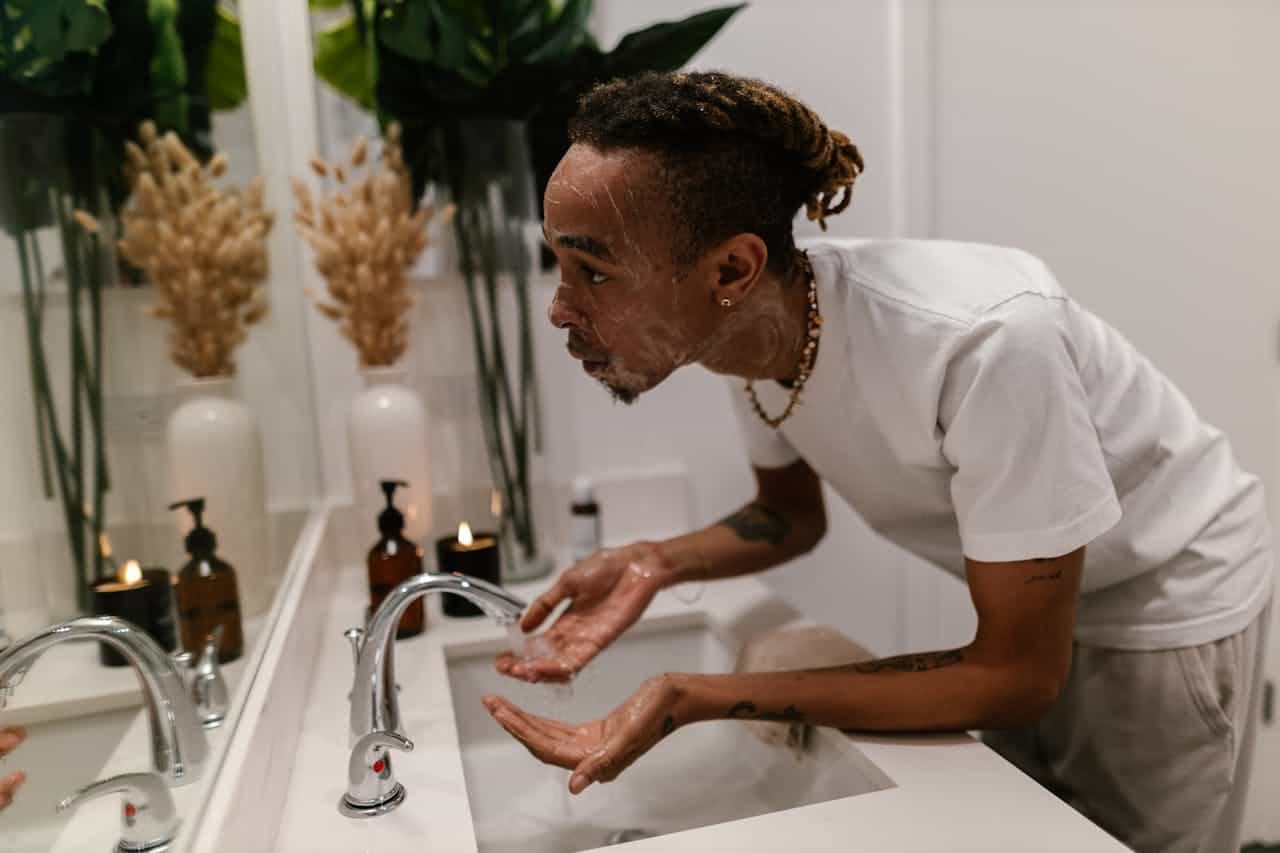
Let’s go through the main things you should do each day.
1. Oral Hygiene
Your mouth is the first step. Brush your teeth for two minutes in the morning and before bed. Use toothpaste with fluoride. Floss once a day to clean between your teeth.
Change your toothbrush every three months or after being sick. Clean your tongue too. A clean mouth keeps your breath fresh and your smile bright. Here are some tips on oral care.
2. Showering and Body Care
Take a shower every day if you can. Use soap or body wash to clean your armpits, feet, and private areas. If you cannot shower, use a clean towel and wipe key areas.
If you have dry skin, take shorter showers and use warm water, not hot. After showering, dry yourself with a clean towel and put on fresh clothes. Click here to find dermatologist-recommended skin care tips.
3. Hair and Scalp Care
Wash your hair when it feels oily or dirty. Some people need to wash it every two to three days. Others may need less. Comb or brush your hair every day to keep it neat and remove tangles.
If you have dandruff, use a special shampoo. Always use your own comb or brush, not someone else’s.
4. Hand Hygiene
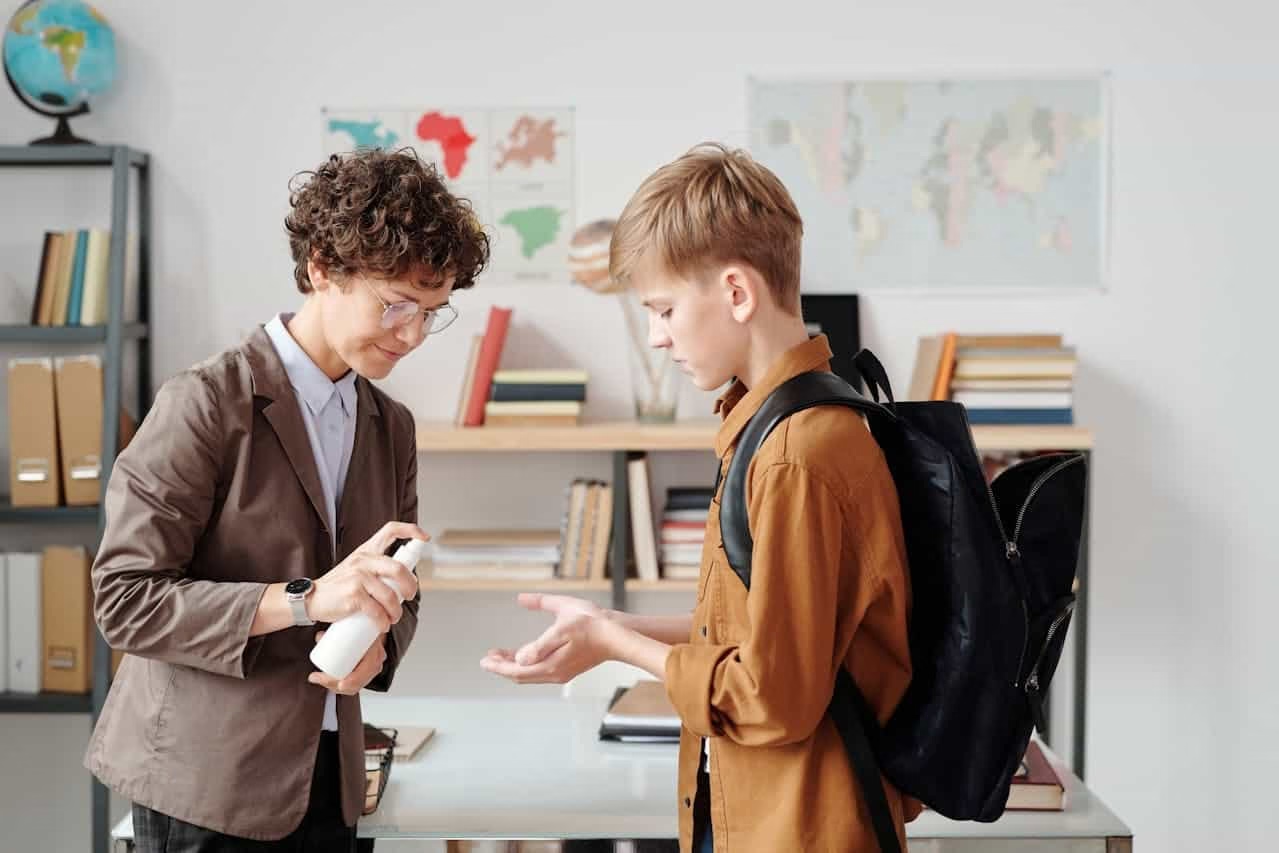
Clean hands stop germs from spreading. Wash your hands with soap and water for about 20 seconds. Sing “Happy Birthday” twice to time yourself.
Wash before eating, after using the toilet, after coughing or sneezing, and after touching shared surfaces. If you do not have soap and water, use hand sanitizer.
5. Genital and Menstrual Hygiene
Clean your private parts every day with water. You can use mild soap if needed.
For boys: Clean around the penis and scrotum with warm water daily and after sexual intercourse. If uncircumcised, gently pull back the foreskin to clean underneath and gently push it back after.
For girls: Use warm water to clean the vulva (the outside of the vagina) daily and after sexual intercourse. Change sanitary pads or tampons every few hours during your period. Keep the area dry and clean. Always wipe from front to back after using the toilet to avoid infections.
Avoid using strong soaps or sprays on private parts. They can cause irritation.
6. Deodorant and Body Odor
After showering, apply deodorant or antiperspirant to your underarms. This helps control sweat and smell.
If you notice strong odor even when clean, wash your clothes more often and let them dry completely. Sometimes, smell can also come from the food you eat, like garlic or spicy food.
7. Nail Care
Trim your nails every week. Wash under them to remove dirt. Long nails can trap germs that cause infections.
Do not bite your nails. It can hurt your fingers and spread germs to your mouth.
8. Shaving and Face Care
If you shave, always use a clean razor. Shave carefully and rinse your skin after. Apply lotion or cream to keep the skin soft.
If you wear makeup, remove it before bed to keep your skin clean and healthy.
9. Clothes and Laundry Hygiene
Always wear clean clothes, socks, and underwear. Change them daily, especially after sweating or exercise.
Wash your clothes properly and dry them under the sun or in a clean space. Change your bed sheets every week or two.
Hygiene Checklists for Teens, Adults, and Kids
Students and Teens
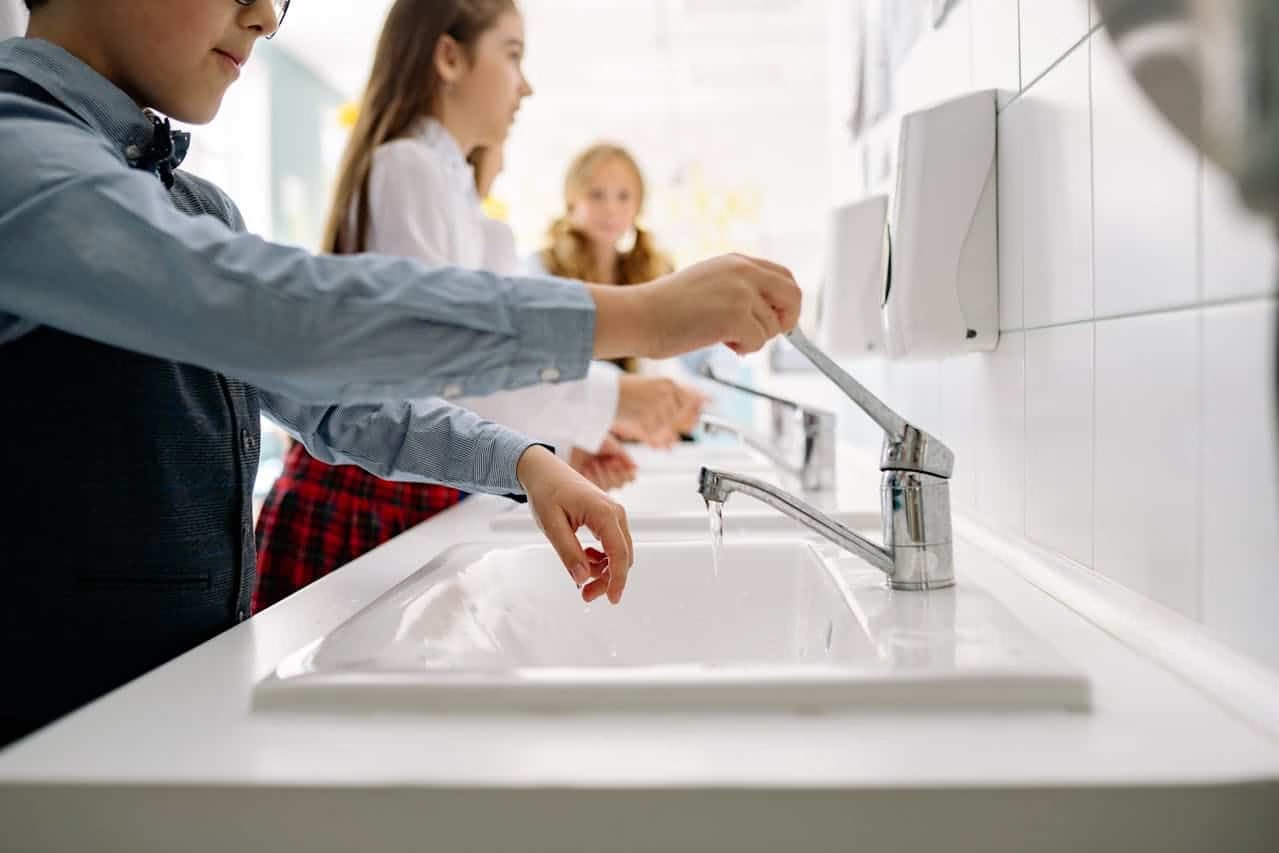
Here’s a simple checklist for school life:
- Brush teeth and wash face every morning.
- Take a shower before school or after sports.
- Use deodorant.
- Keep hair neat.
- Wash hands during breaks.
- Change clothes and socks after school.
- Brush teeth again before bed.
Teens often sweat more because of hormones. Staying clean helps prevent body odor and acne.
Adults
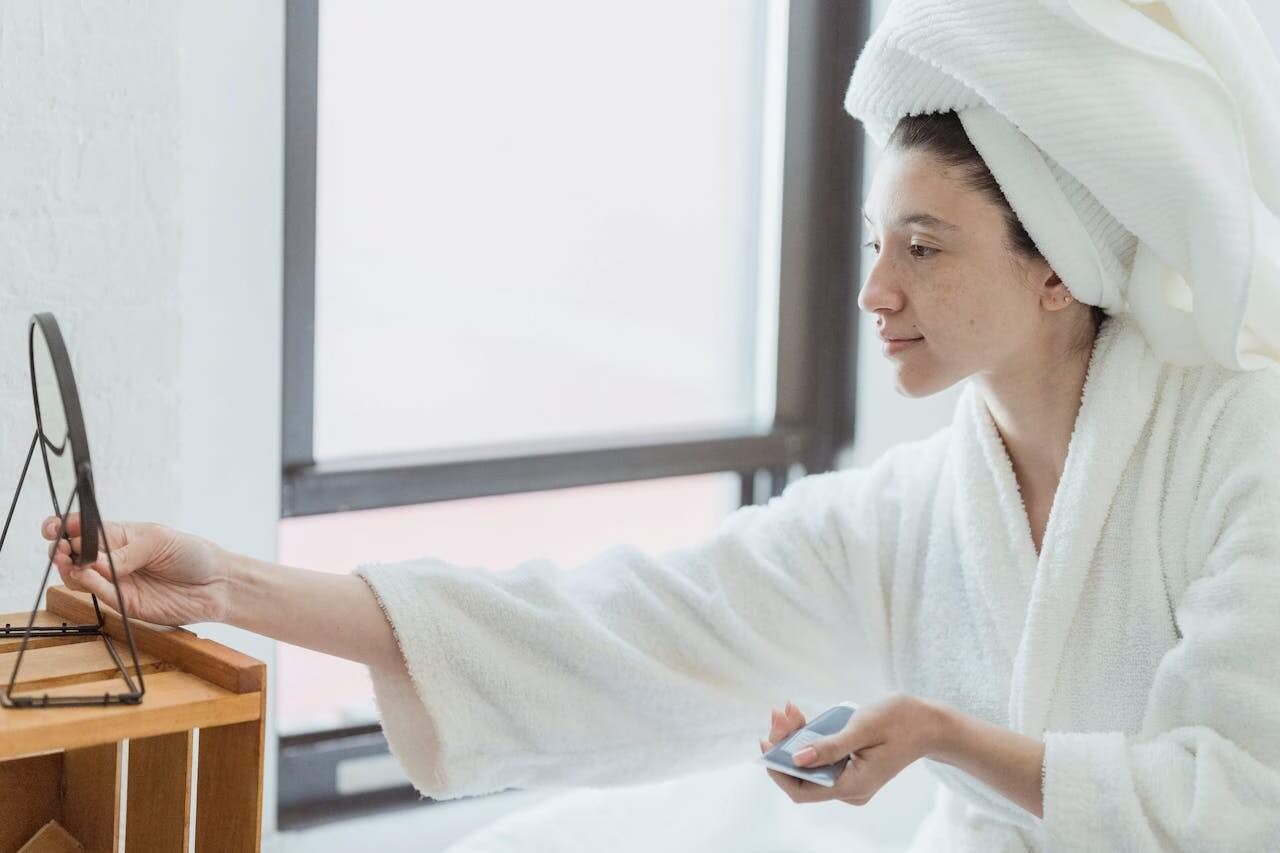
For adults, hygiene goes beyond morning and night routines.
- Brush and floss twice daily.
- Shower before or after work.
- Keep a small deodorant or wipes at work for refreshers.
- Wash hands often.
- Remove makeup and clean your face before sleeping.
If you go to the gym, shower right after to remove sweat and bacteria.
Kids
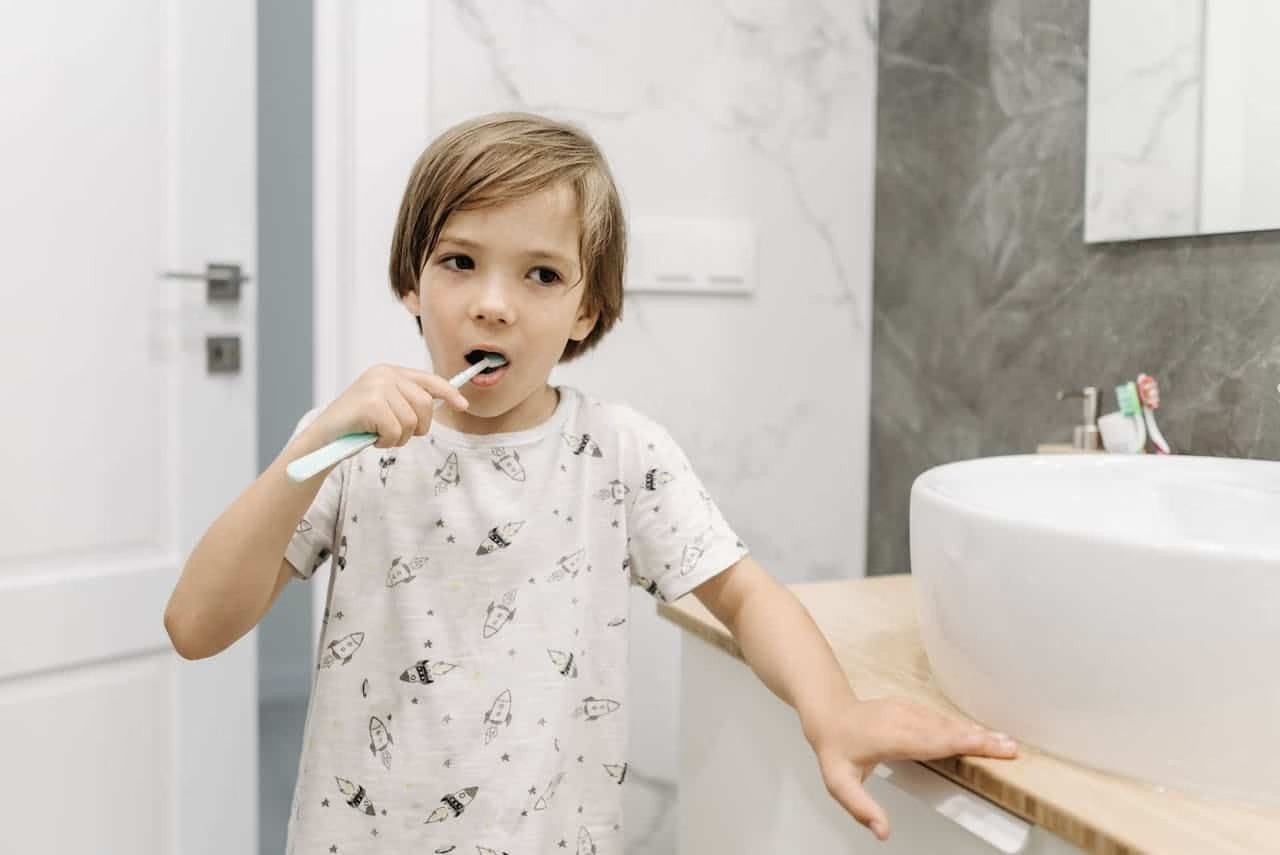
Teaching kids hygiene helps them form good habits early.
- Help them brush their teeth twice a day.
- Teach them to wash hands before meals and after playing.
- Make hygiene fun with songs or stickers.
Guide them until they can do it alone. Kids learn best when routines are simple and fun.

How to Build a Hygiene Routine
Building good habits takes time, but it is easy if you do it step by step.
- Start small. Pick one habit, like brushing twice a day, and keep it for a week.
- Use reminders. Put sticky notes on your mirror or set phone alarms.
- Pair habits. For example, wash your face right after brushing your teeth.
- Make it fun. Use nice-smelling soap or your favorite song during routines.
- Track your progress. Use a checklist and mark each task when you finish.
Soon, hygiene will become part of your daily life without thinking too hard about it.
When Hygiene Alone Is Not Enough
Sometimes you do everything right, but problems still happen.
Body Odor
If you smell bad even when clean, the cause might be your diet, hormones, or clothes that are not fully dry. Try washing your clothes more often and drinking more water. If odor stays, talk to a doctor.
Skin and Hair Problems
If you have pimples, dandruff, or itchy skin, try mild soap or shampoo. Avoid touching your face too much. If the problem continues, see a doctor for advice.
Nail or Foot Infections
If your nails change color or hurt, it could be a fungus. Keep feet dry and wear clean socks. If it does not get better, visit a clinic.
Hygiene When You Are Sick

When you are sick, hygiene becomes even more important.
- Wash hands often.
- Use your own towel and bedding.
- Clean doorknobs and phones every day.
- Throw away used tissues right after use.
- If you are caring for someone sick, wear gloves or a mask if needed.
These steps keep germs from spreading to others.
Healthy Habits That Support Hygiene

Good hygiene works better when your body is healthy too.
- Drink enough water every day.
- Eat fruits and vegetables.
- Exercise regularly.
- Shower after workouts.
- Get enough sleep.
- Stay calm and reduce stress.
When you take care of your body, your hygiene routine feels easier and more natural.
Reasons Why People Have Different Hygiene Habits
Not everyone follows the same hygiene routine. Many things can affect how people care for themselves, such as:
Education: Some people do not know how or why to keep clean, especially teens learning new habits.
Mental or physical health: Illness, stress, depression, or injury can make self-care difficult.
Cultural and family influence: Family habits and cultural beliefs shape how people view hygiene.
Living conditions: Lack of clean water or money for hygiene products can affect routines.
Summary

Good hygiene is one of the simplest ways to care for your body and mind. It helps you stay healthy, confident, and ready to face each day. Start with small steps like washing your hands, brushing your teeth, and keeping your body clean. Stay consistent, and soon these habits will become part of who you are.
Remember, staying clean shows respect for yourself and the people around you. Keep going, and your future self will thank you for it!
ALSO READ: Good Morning Messages To My Love